
A No-Filter Guide to Reproductive Health for Teens & Young Adult
Growing up can be confusing, especially when your body starts to change in unexpected ways. You might feel moody, unsure, or just plain weird. You’re not alone; many teens and young adults are going through similar experiences.

Puberty can be a wild ride, but understanding what’s happening to your body is key. This guide is here to help you navigate the basics of reproductive health in a friendly, no-judgment way.
Key Takeaways
- Understanding reproductive health is crucial during puberty.
- Body changes are normal and vary from person to person.
- It’s essential to have open conversations about reproductive health.
- Knowing the facts can help you make informed decisions.
- You’re not alone; many teens face similar challenges.
The Body Revolution: Understanding Changes During Puberty
Puberty brings many physical changes that can surprise and confuse teens. Knowing what to expect can help a lot; Puberty is a time of big growth and change, leading to adulthood.
Physical Changes Everyone Experiences
Both boys and girls go through big changes during puberty. Girls start to develop breasts and get their first period. They also see changes in their body shape.
Boys get deeper voices, grow more muscle, and start to grow facial hair. These changes come from hormonal shifts and are a natural part of growing up. A health expert says, “The physical changes during puberty are a normal and necessary part of growing up.”
Timeline of Development: What Happens When
Knowing when puberty starts can help teens feel more ready. It usually begins around age 10 for girls and 12 for boys. However, it can start earlier or later. The whole process can take 2 to 5 years. Important milestones include the growth of secondary sexual characteristics and, for girls, the start of menstruation.
“Puberty is a journey, and knowing what to expect can make it less daunting.”
Being aware of these changes can help teens feel more confident during this time. Understanding puberty’s physical changes helps teens deal with this complex phase. It’s a time of big transformation. Being informed is key to embracing the changes that come with puberty and beyond.
Teens and Body Changes: What’s Normal and What’s Not
Teens face a lot of changes as they grow up. It’s hard to know what’s normal and what’s not. These changes can be confusing, making it tough to tell if everything is okay.

Common Concerns vs. Medical Issues
Teens go through many physical changes. These include acne, growing taller, voice changes, and body hair. Most of these are just part of growing up.
But, some changes might mean there’s a health problem. For example, really bad acne, too much hair, or irregular periods could be signs of hormonal problems. It’s important for teens to know that not all worries are normal. Some might need a doctor’s check-up.
- Severe acne or skin conditions
- Irregular or painful periods
- Unusual or excessive hair growth
Debunking Myths About Development
There’s a lot of wrong information out there about growing up. This can make teens worry or feel confused. For example, some might think certain changes are weird when they’re actually normal.
Knowing the truth about growing up can help teens feel more in control. It’s important to trust good sources of information. And, if you’re worried, always talk to a doctor.
Key facts to remember:
- Growth spurts are a normal part of development.
- Mood swings are common due to hormonal changes.
- Body changes can vary significantly among individuals.
Hormones Explained: The Chemical Messengers Driving Your Changes
Learning about hormones is crucial for understanding puberty. They are the chemical messengers that drive your growth. Hormones are substances made by glands in the endocrine system. They control growth, metabolism, and reproductive processes.
Estrogen, Testosterone, and Friends: What They Actually Do
Estrogen and testosterone are key hormones during puberty. Estrogen is called the “female hormone” because it helps develop female reproductive organs and traits. But, both males and females have estrogen, just in different amounts. Testosterone, or the “male hormone,” is important for male reproductive organs and traits. Like estrogen, it’s found in both sexes.
- Estrogen helps control the menstrual cycle and aids in the growth of breasts and hips.
- Testosterone is key for facial hair growth, deepening the voice, and building muscle.
Hormone Fluctuations and How They Affect Your Mood
Hormonal changes in puberty can really affect your mood. Changes in estrogen and testosterone levels can cause mood swings, irritability, and emotional sensitivity. It’s common to feel overwhelmed or experience sudden mood changes.
To handle these mood swings, try:
- Stress-reducing activities like meditation or deep breathing.
- Regular exercise to help stabilize your mood.
- Eating a healthy diet full of fruits, vegetables, and whole grains.
Understanding hormones and their effects on your body and mood can help you deal with puberty’s challenges.
Menstruation Matters: Beyond the Basics
Menstruation matters, and it’s time to dive beyond the basics. For many young adults, understanding their menstrual cycle is key to taking control of their reproductive health. It’s not just about dealing with periods; it’s about being informed and prepared.
Tracking your menstrual cycle is more than just keeping a record; it’s a powerful tool for understanding your body’s rhythms and changes. By monitoring your cycle, you can predict when your period is due, identify any irregularities, and even improve your overall health.
Cycle Tracking and Why It’s Important
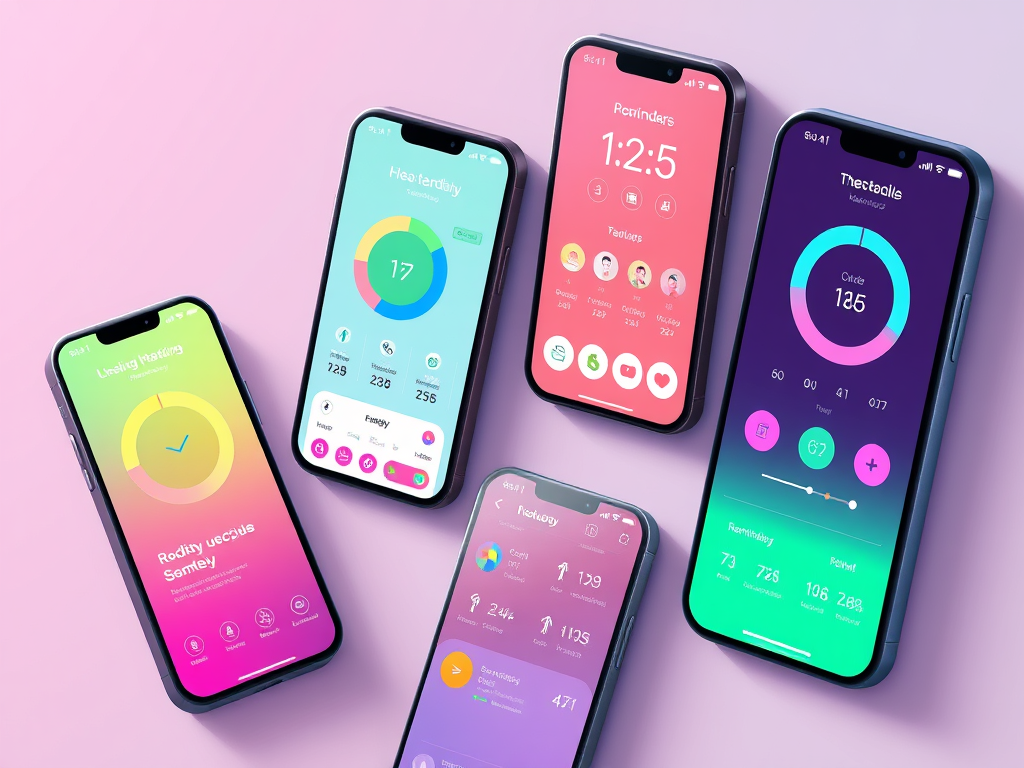
Cycle tracking involves recording the start and end dates of your period, as well as any symptoms you experience. This information can help you understand your body’s patterns and make informed decisions about your health. There are many apps and digital tools available that make tracking easy and convenient.
Using a cycle tracking app can help you stay on top of your menstrual health. These apps allow you to log your periods, track symptoms, and receive reminders when your period is approaching. Some apps even offer insights into your fertility window and provide personalized health tips.
Period Products: Finding What Works for You
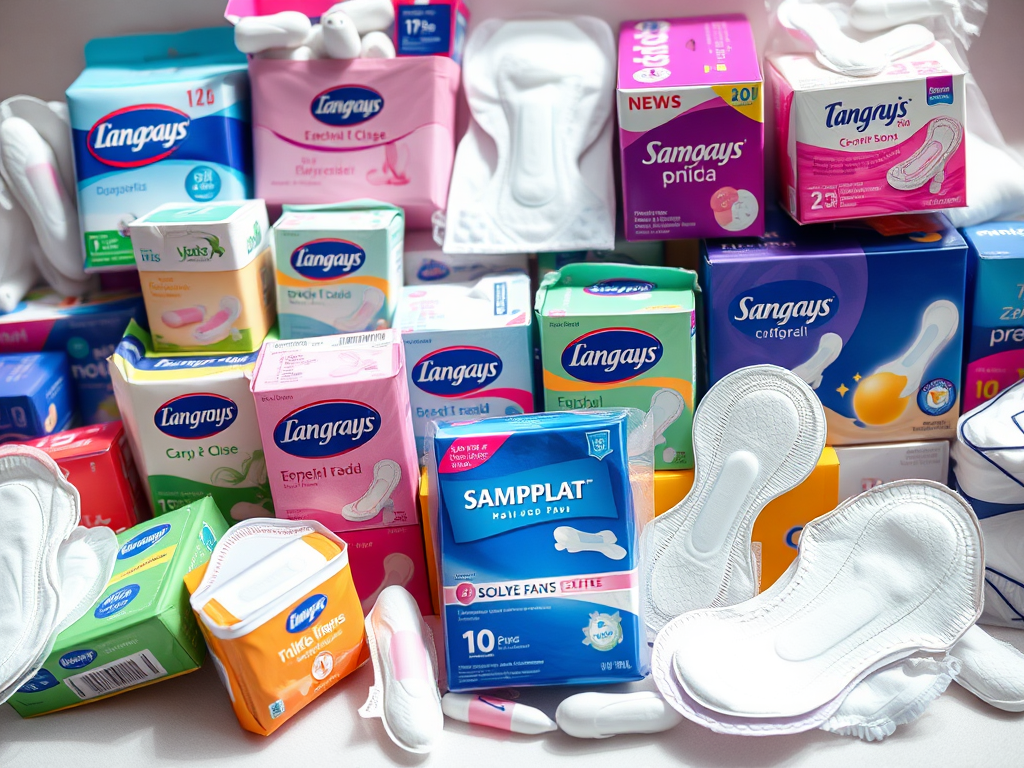
The market is flooded with various period products, from sanitary pads and tampons to menstrual cups and period panties. Choosing the right product depends on your personal preferences, lifestyle, and comfort level. It’s essential to explore different options to find what works best for you.
When selecting period products, consider factors such as absorbency, comfort, and environmental impact. Some people prefer the convenience of disposable products, while others opt for more sustainable choices like menstrual cups or reusable period underwear.
Managing Period Pain and Symptoms
Period pain and other symptoms can be challenging to manage, but there are several strategies that can help. Over-the-counter pain relievers, heat therapy, and relaxation techniques are just a few methods to alleviate discomfort. Understanding what works for your body can make a significant difference in your overall well-being.
In addition to pain management, maintaining a healthy lifestyle can help reduce period symptoms. This includes eating a balanced diet, staying hydrated, and engaging in regular physical activity. By taking care of your overall health, you can minimize the impact of menstrual symptoms on your daily life.
Navigating Male Reproductive Health
Puberty can be confusing, especially for guys. It brings many changes that are both interesting and scary. It’s important to know what’s happening in your body.
Understanding Your Equipment: Health Basics
It’s key to know the basics of male anatomy. The male reproductive system includes the testes, epididymis, vas deferens, seminal vesicles, prostate, and penis. Each part is important for reproductive and sexual health. Example, the testes make sperm, and the prostate gland helps nourish them.
Key aspects to be aware of include:
- Testicular health: Regular self-exams can help detect abnormalities.
- Penile health: Proper hygiene is essential to prevent infections.
- Understanding erections and wet dreams: These are normal parts of male development.
Common Concerns and When to See a Doctor
Guys often worry about their reproductive health. This includes testicular pain and issues with erections. Some problems are minor, but others can be serious. For example, testicular torsion is a medical emergency that needs quick attention.
If you experience any of the following, consider seeking medical advice:
- Unusual pain or swelling in the genital area.
- Difficulty with erections or other sexual health issues.
- Concerns about STIs or sexual health.
Understanding male reproductive health is crucial for healthy teens. By knowing your body and when to seek help, you can have a smoother transition into adulthood.
The Brain-Body Connection: Mental Health During Puberty
Puberty is not just about physical changes. It’s also about emotional growth. Hormonal shifts can deeply affect how we feel.
Normal vs. Concerning Emotional Changes
Teenagers often feel a mix of emotions due to hormones. It’s important to know when these feelings are normal and when they’re not. Emotional changes that are concerning include lasting sadness, hopelessness, or anxiety.
Knowing the difference helps find the right support. For example, sadness lasting more than two weeks might be depression. Extreme mood swings or irritability could mean there’s an issue that needs help.
Coping Strategies for Overwhelming Feelings
Handling big emotions in puberty can be tough. But, there are ways to cope. Engaging in physical activity can help reduce stress and improve mood. Creative activities like art, music, or writing can also express feelings in a healthy way.
Talking about your feelings to someone you trust can also help. This could be a parent, friend, or a mental health expert. Mindfulness and relaxation techniques, like deep breathing or meditation, can manage stress and anxiety.
By understanding emotional changes in puberty and using healthy ways to cope, teens can get through this important time.
Body Image in the Digital Age
Adolescence is tough, and social media makes it harder. The digital world changes how we see ourselves and others. It often shows beauty standards that are hard to reach, affecting our self-esteem.

Social Media, Filters, and Reality
Social media is full of photos that are often changed digitally. These filtered realities can make us feel bad about ourselves. They show beauty that’s not real. It’s important to know the difference between online and real life. Every perfect photo has a real person behind it, with their own problems and flaws.
Building Body Confidence When Everything Feels Awkward
Building confidence in your body takes time. It’s about loving who you are and knowing you’re not alone. Focus on what your body can do, not how it looks.
- Practice self-care and self-compassion.
- Follow diverse and positive social media accounts that promote body positivity.
- Engage in activities that make you feel good about yourself.
Sex-Ed Without the Awkwardness
As you grow, knowing about reproductive health is key. It’s time to talk about it openly. Let’s explore the basics of sex education. This knowledge empowers you to make smart choices about your body and relationships.
Consent and Healthy Relationships
Consent is the base of any healthy relationship. It means respecting each other’s limits and choices. Here are important points to keep in mind:
- Consent is freely given and can be taken back anytime.
- It’s not just about sex; consent matters for all physical contact.
- Communicate openly with your partner about what you want and what you’re not comfortable with.
Protection Methods: What Works and How
Knowing your protection options is key to avoiding unwanted pregnancies and STIs. Here are some effective methods:
- Condoms: Easy to use and widely available, condoms prevent STIs and pregnancy.
- Birth Control: There are many types, like pills, patches, and IUDs, to prevent pregnancy.
STIs: Prevention, Testing, and Treatment
STIs are common but preventable and treatable. Here’s what you need to know:
- Prevention: Using protection like condoms greatly reduces the risk.
- Testing: Regular check-ups are crucial for early detection.
- Treatment: Many STIs are curable with the right treatment; it’s important to get medical help if diagnosed.
Learning about sex education is a big step towards controlling your reproductive health. It’s okay to ask questions and seek help when needed.
Taking Control of Your Reproductive Health
As you go through puberty, it’s key to take charge of your reproductive health. This means understanding your body, knowing where to get help, and knowing your rights.
Finding Teen-Friendly Healthcare
Finding healthcare that’s right for teens is crucial. Look for places that offer private services and know how to help teens.
- Check online reviews or ask for referrals from trusted sources.
- Ensure the healthcare provider is knowledgeable about teen reproductive health.
- Consider the location and hours of operation to ensure they fit your needs.
Questions You’re Afraid to Ask (But Should)
It’s okay to have questions about your reproductive health. Don’t hesitate to seek information about sexual health, contraception, or STIs.
- Prepare a list of questions before your visit.
- Be honest with your healthcare provider about your concerns.
- Understand that your healthcare provider is there to help you.
Your Rights to Healthcare Privacy
You have the right to private healthcare, especially for reproductive health. Understanding your rights makes it easier to get the care you need.
By taking these steps, you can empower yourself with the knowledge and resources needed to manage your reproductive health effectively.
Conclusion: Embracing Your Changing Body
Your body changes a lot during puberty. It’s important to feel good about these changes. By understanding what’s happening, you can handle this time better.
This guide gave you health tips for young adults. You now know how to take care of your reproductive health. You can track your cycle and know your rights to privacy.
Stay informed and talk openly with your healthcare providers. Taking care of your mental health is key. This way, you’ll feel good about your body and develop healthy habits for life. Be proud of your body and its journey. If you need help, don’t hesitate to ask.
FAQ
What are the first signs of puberty?
The first signs of puberty can vary. Girls might start to notice breast development, while boys see their testicles grow. This usually happens around age 10-11. But, it can start as early as 8 or as late as 14.
How can I manage period pain?
To manage period pain, try over-the-counter pain relievers like ibuprofen. You can also use a heating pad or period-specific pain relief products. Exercise and a healthy diet can help too.
Are there any trustworthy health apps for teens?
Yes, there are many trustworthy health apps for teens. Clue helps track periods, MyChart lets you access medical records, and Planned Parenthood’s Spot On offers sex ed and reproductive health info.
How do I know if my emotional changes are normal or concerning?
Normal emotional changes in puberty include mood swings and feeling overwhelmed. But, if you’re feeling sad, hopeless, or anxious all the time, it’s a sign to talk to a healthcare provider.
What are some ways to build body confidence?
Building body confidence means focusing on what your body can do, not how it looks. Surround yourself with positive people, practice self-care, and avoid unrealistic media.
How can I find teen-friendly healthcare services?
To find teen-friendly healthcare services, ask friends, family, or school counselors for recommendations. Look for clinics that specialize in adolescent health. Check online reviews to see their reputation.
What are some reliable sources for health information online?
Reliable health information sources include government websites like the CDC or Planned Parenthood. Also, peer-reviewed journals and health websites from reputable organizations like the American Academy of Pediatrics are good.
How do I differentiate between common body changes and potential health issues?
Common puberty changes include growth spurts, acne, and body hair. But, if you have severe symptoms or unusual changes, see a healthcare provider. They can check for any health issues.




 EveryBody Matters
Leave a comment